Skip to content


.svg)
.svg)
.svg)
.svg)
.svg)
.svg)
.svg)
.svg)

.svg)
.svg)
.svg)
About
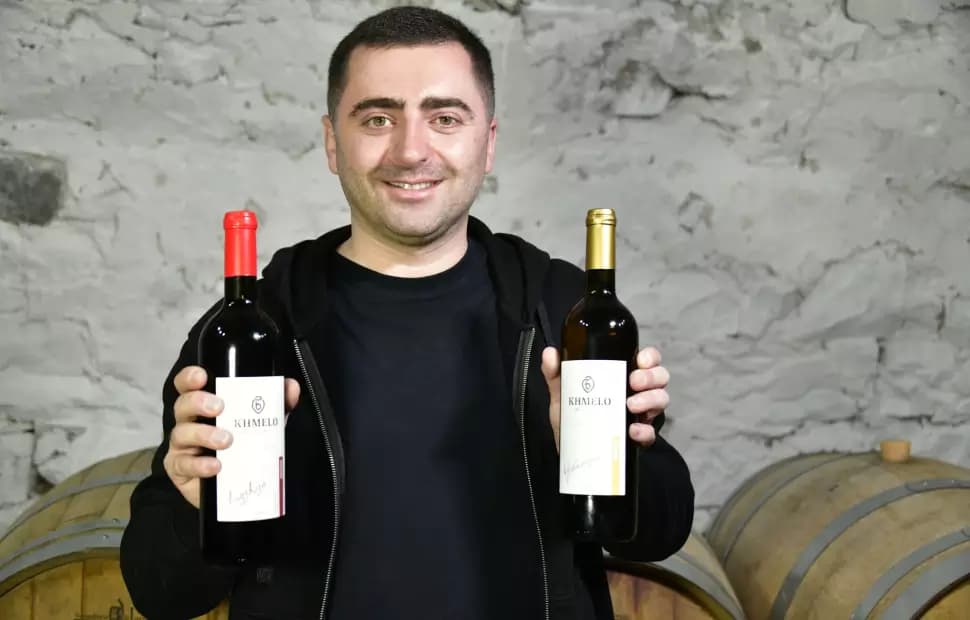
Always OpenKhmelo Winery was founded in Bolnisi, in 2017, by vigneron and winemaker Giorgi Khmelidze.
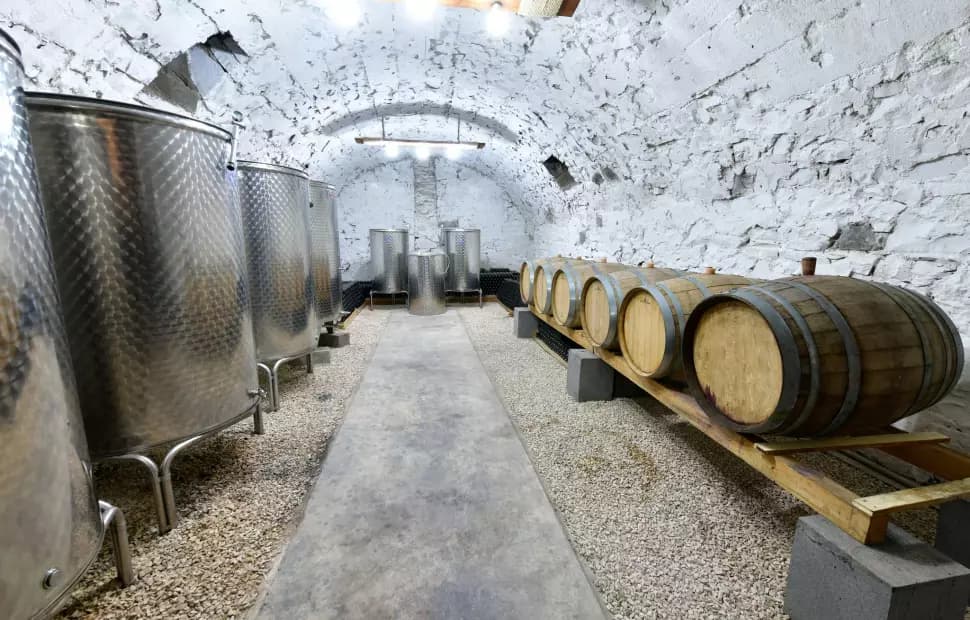
Giorgi's grandfather — Gurgen Khmelidze — was from Racha, but in the 1950s, he settled in Bolnisi and actively engaged in viticulture and winemaking. He planted a vineyard of Rkatsiteli, an indigenous white grape variety, and began to make table wine using the Swabian method, in which wine ferments in oak barrels or large oak casks. At this time, many Bolnisians were becoming interested in their cultural heritage, particularly the influx and influence of Swabian colonists who founded the city of Ekaterinenfeld (now Bolnisi) in the 19th century. Swabs built unique houses from stone and wood that had impeccably constructed cellars, where the Swabians fermented wine in their traditional way — in oak vats. During the Soviet regime, the Bolsheviks began mass evicting Swabians from Ekaterinenfeld, and in their place, mostly residents of the mountainous regions of Georgia were settled.Giorgi was born in Bolnisi, and from an early age, he started participating in the family winemaking endeavors. In 2000, the Khmelidze family bought a 19th-century Swabian house, which included a German-built cellar.
In recent years, Giorgi planted 14 hectares of new vineyards in the Bolnisi region, south of Mount Elia. Together with the traditional Rkatsiteli, he started growing the red grapes Saperavi, Tavkveri, and Shavkapito. Giorgi was one of the first vignerons in the region to plant saplings in the European style, 120-130 centimeters apart, so that there was less stress on the vines and they could produce high-quality grapes. Giorgi's vineyard soon became very popular, and now many winemakers from Bolnisi purchase grapes from him.
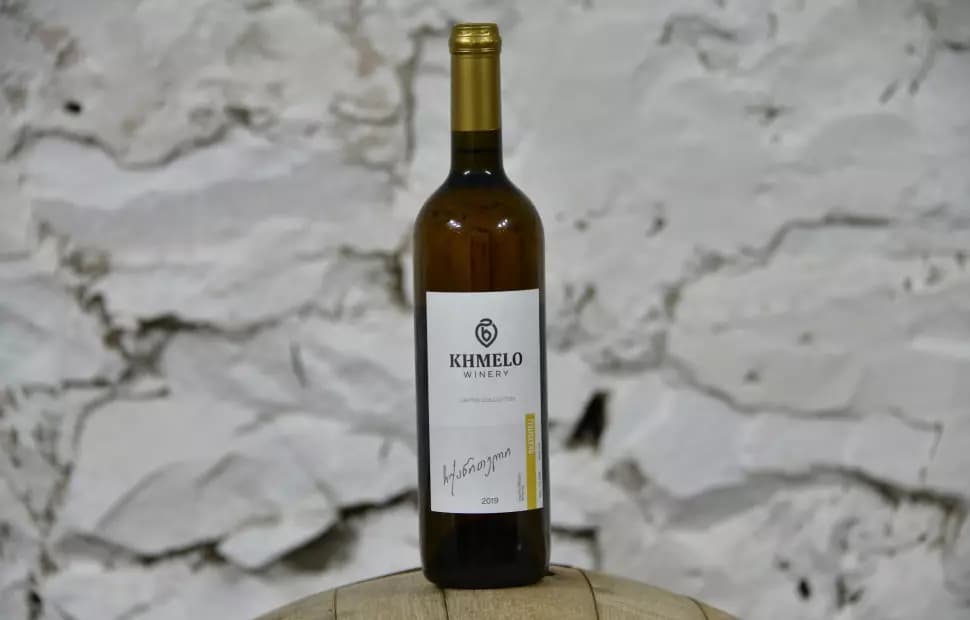
In 2017, Giorgi decided to bottle wine under his name in honor of his180-year-old family cellar. The first successful product of Khmelo Winery was his 2019 Rkatsiteli, awarded gold medals at three different competitions. In most cases, the wine ages for two to three years before being sold. After pressing, the wine undergoes two to three weeks of fermentation in oak vats. Then, the liquid is poured into stainless steel tanks. During winter, the wine is transferred to oak barrels, and from the spring it is moved back to stainless steel tanks to keep the wine cool. At the next stage of aging, the wine is bottled and stored for another year.
Today, Khmelo Winery’s Rkatsiteli, Saperavi, Shavkapito, and Tavkveri made in the Swabian method, are sold in the Georgian and Baltic markets. Khmelo Winery’s future development vision is to introduce a culture of wine reserves in Georgia: every year, wine is cellared for a period of seven to ten years.
What this place offers
Degustation
Wine purchase
Kvemo Kartli
Bolnisi ,15 Chavchavadze